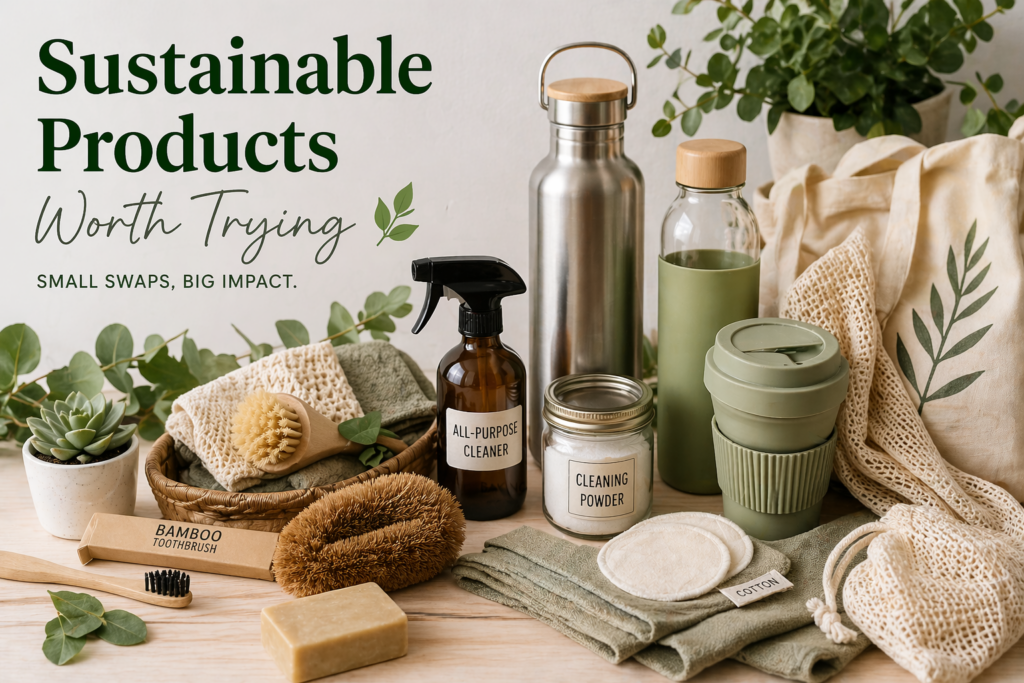

Sustainable Products Worth Trying 🌍✨ (That Actually Make a Difference)

Switching to a more sustainable lifestyle doesn’t mean sacrificing convenience or comfort. In fact, many eco-friendly products are better than their conventional counterparts—and last longer too. 🙌

If you’re looking to reduce waste and make smarter choices for your home and family, here are some sustainable products truly worth trying. 🌿


🛍️ 1. Reusable Shopping Bags

Single-use plastic bags are a major source of pollution.

Try instead:

  • Cotton or canvas tote bags
  • Foldable reusable bags you can keep in your car or purse

💡 Tip: Keep a few by your door so you never forget them!


🥤 2. Reusable Water Bottles

Plastic bottles add up quickly and harm the environment.

Better options:

  • Stainless steel bottles
  • Glass bottles with protective sleeves

They keep drinks fresh and reduce plastic waste. ♻️


☕ 3. Reusable Coffee Cups

Love coffee on the go? Disposable cups are rarely recyclable.

Swap for:

  • Insulated reusable coffee cups
  • Travel mugs

Many cafés even offer discounts for bringing your own! 💚


🍱 4. Beeswax Wraps

Ditch plastic wrap for good.

Use instead:

  • Beeswax wraps for sandwiches, fruit, and leftovers

They’re reusable, biodegradable, and surprisingly easy to clean. 🐝


🧼 5. Eco-Friendly Cleaning Products

Traditional cleaners often contain harsh chemicals.

Choose:

  • Plant-based cleaning sprays
  • Refillable cleaning systems
  • DIY options (vinegar + baking soda)

Cleaner home, cleaner planet. 🌱


🧴 6. Shampoo & Conditioner Bars

Say goodbye to plastic bottles in your shower.

Why they’re great:

  • Long-lasting
  • Travel-friendly
  • Minimal packaging

Plus, they take up way less space! 🚿


🪥 7. Bamboo Toothbrushes

Plastic toothbrushes are hard to recycle.

Switch to:

  • Bamboo toothbrushes with biodegradable handles

Small swap, big impact. 🌍


🧻 8. Reusable Paper Towels

Paper towel waste adds up quickly.

Try:

  • Washable cloths
  • Reusable “unpaper” towels

They’re absorbent, durable, and cost-effective over time. 💸


🧺 9. Wool Dryer Balls

Skip disposable dryer sheets.

Benefits:

  • Reduce drying time
  • Naturally soften clothes
  • No synthetic fragrances

Optional: add a drop of essential oil for scent. 🌸


🛋️ 10. Sustainable Home Textiles

Upgrade your home with eco-conscious materials.

Look for:

  • Organic cotton
  • Linen
  • Recycled fabrics

Better for your skin and the planet. 🧵


👶 11. Reusable Baby Products

For families, this can be a game changer.

Try:

  • Cloth diapers
  • Reusable wipes
  • Silicone snack bags

Less waste, long-term savings. 🍼


🔋 12. Rechargeable Batteries

Single-use batteries create unnecessary waste.

Switch to:

  • Rechargeable batteries + charger

They last longer and reduce landfill impact. ⚡


🌱 Final Thoughts

Sustainable living isn’t about being perfect—it’s about making better choices when you can. Start with a few of these swaps and build from there.

Every small change adds up to a healthier home and a happier planet. 💚🌍


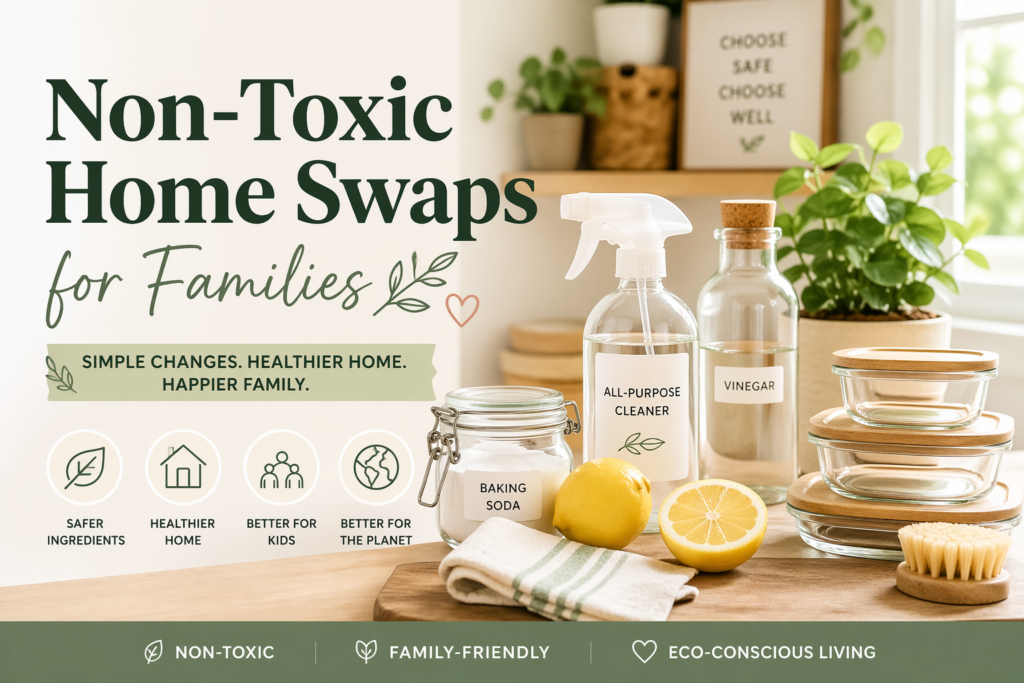
Non-Toxic Home Swaps for Families: Simple Changes That Make a Big Difference 🌿🏡

Creating a healthier home doesn’t require a full lifestyle overhaul. For families—especially those with young children—small, practical swaps can significantly reduce exposure to harsh chemicals while keeping daily life manageable. 👶✨


Why Go Non-Toxic? 🤔

Many conventional household products contain ingredients linked to allergies, hormone disruption, or respiratory irritation. Kids are particularly vulnerable because their bodies are still developing and they tend to have more contact with surfaces, floors, and objects. 🧸

The goal isn’t perfection—it’s progress. Every safer swap reduces overall exposure. 💚


Kitchen Swaps 🍽️

1. Ditch Non-Stick Cookware 🍳

Traditional non-stick pans can release harmful compounds when overheated.
Swap for:

  • Stainless steel
  • Cast iron
  • Ceramic-coated cookware

These options are durable and free from questionable coatings. ✅

2. Replace Plastic Food Storage 🥡

Plastic containers can leach chemicals, especially when heated.
Swap for:

  • Glass containers with silicone lids
  • Stainless steel lunchboxes

Bonus: they last longer and don’t absorb odors. ♻️

3. Upgrade Cleaning Products 🧼

Many kitchen cleaners contain strong synthetic fragrances and irritants.
Swap for:

  • Vinegar + water solution
  • Baking soda for scrubbing
  • Plant-based cleaners with simple ingredient lists

Bathroom Swaps 🚿

4. Simplify Personal Care Products 🧴

Shampoos, soaps, and lotions often contain sulfates, parabens, and artificial fragrances.
Swap for:

  • Fragrance-free or naturally scented products
  • Bars with minimal ingredients
  • Products labeled for sensitive skin

5. Switch to Safer Toothpaste 🪥

Some toothpastes contain unnecessary additives or harsh ingredients.
Swap for:

  • Fluoride toothpaste with clean ingredient lists (for kids, age-appropriate formulas)
  • Tablets or powders with fewer additives

6. Rethink Air Fresheners 🌬️

Plug-ins and sprays can release volatile organic compounds (VOCs).
Swap for:

  • Open windows for ventilation
  • Essential oil diffusers (used sparingly)
  • Baking soda to absorb odors

Laundry Room Swaps 🧺

7. Choose a Gentle Detergent 👕

Conventional detergents can leave residues that irritate skin.
Swap for:

  • Fragrance-free, hypoallergenic detergent
  • Powder formulas with fewer additives

8. Skip Fabric Softener 🧻

Liquid softeners often contain synthetic fragrances and coatings.
Swap for:

  • Wool dryer balls
  • A splash of white vinegar in the rinse cycle

Living Areas 🛋️

9. Reduce Dust & Toxins 🧹

Dust can carry chemicals from household products.
Try:

  • HEPA filter vacuum
  • Damp dusting instead of dry dusting

10. Be Mindful with Furniture 🪑

Some furniture and rugs may off-gas chemicals.
Look for:

  • Solid wood over pressed wood
  • Certifications for low emissions
  • Secondhand items (already off-gassed)

Kids’ Spaces 👶🎨

11. Safer Toys 🧩

Some plastics and paints may contain harmful substances.
Swap for:

  • Wood, silicone, or certified non-toxic plastics
  • Reputable brands with safety testing

12. Non-Toxic Art Supplies 🎨

Kids love to create—but some supplies contain solvents or dyes.
Choose:

  • Washable, non-toxic labeled products
  • Beeswax crayons or natural paints

Final Thoughts 💭

A non-toxic home isn’t about throwing everything out overnight. Start with the products you use most often and replace them gradually. Small, consistent changes add up—and they create a safer, more comfortable space for your whole family. 🌱💕

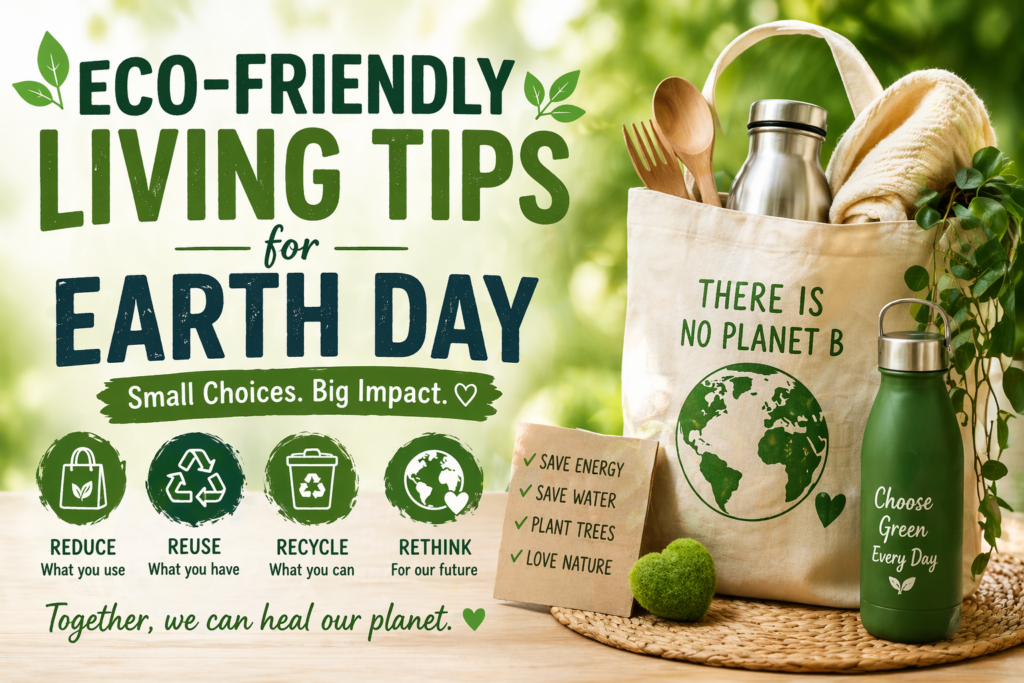
🌍 Eco-Friendly Living Tips for Earth Day 🌱

Earth Day is a reminder that protecting our planet starts with everyday choices. The good news? You don’t need a complete lifestyle overhaul to make a difference. Small, consistent actions can lead to a greener, more sustainable life. 💚

Here are simple and practical eco-friendly living tips you can start today!


🌿 1. Reduce, Reuse, Recycle (the Right Way)

We’ve all heard it—but it matters more than ever.

  • Reduce what you buy
  • Reuse what you already have
  • Recycle properly (check local guidelines!) ♻️

👉 Tip: Focus on reducing first—it has the biggest impact.


🛍️ 2. Switch to Reusable Everyday Items

Cut down on single-use waste by swapping in reusable options:

  • Tote bags instead of plastic bags
  • Refillable water bottles 💧
  • Glass or stainless steel containers

These small changes quickly add up!


🍎 3. Eat More Sustainably

Food choices play a huge role in your environmental footprint.

  • Try more plant-based meals 🥕
  • Buy local and seasonal produce
  • Reduce food waste by planning meals

👉 Bonus: Compost scraps if you can!


🚿 4. Save Water at Home

Water is a precious resource—use it wisely.

  • Take shorter showers ⏱️
  • Turn off the tap while brushing your teeth
  • Fix leaks quickly

Even tiny habits can save thousands of liters per year.


💡 5. Cut Down on Energy Use

Lower energy consumption = lower carbon footprint.

  • Switch to LED bulbs
  • Unplug devices when not in use 🔌
  • Use natural light whenever possible

👉 Tip: Turn it into a habit—last one out turns everything off!


🧺 6. Choose Sustainable Products

Be mindful of what you bring into your home:

  • Look for eco-friendly packaging
  • Support ethical and sustainable brands
  • Buy less, choose better

Quality over quantity always wins. 🌿


🚲 7. Rethink Transportation

Transportation is a major source of emissions.

  • Walk or bike when possible 🚶‍♀️🚴‍♂️
  • Use public transport
  • Carpool or combine errands

Even one car-free day a week helps!


🎨 8. Get Creative with Upcycling

Before throwing something away, ask: Can I reuse this?

  • Turn jars into storage containers
  • Repurpose old clothes into cleaning rags
  • Use boxes for DIY projects 📦

It’s fun, creative, and sustainable!


🌼 9. Connect with Nature

Spending time outdoors builds appreciation for the planet.

  • Visit parks or forests 🌳
  • Plant flowers or start a garden
  • Celebrate Earth Day with outdoor activities

The more we love nature, the more we protect it.


❤️ Final Thoughts

Eco-friendly living isn’t about being perfect—it’s about being mindful. Every small step you take contributes to a healthier planet. 🌍✨

This Earth Day, choose one or two habits to start with—and build from there. The planet will thank you. 💚

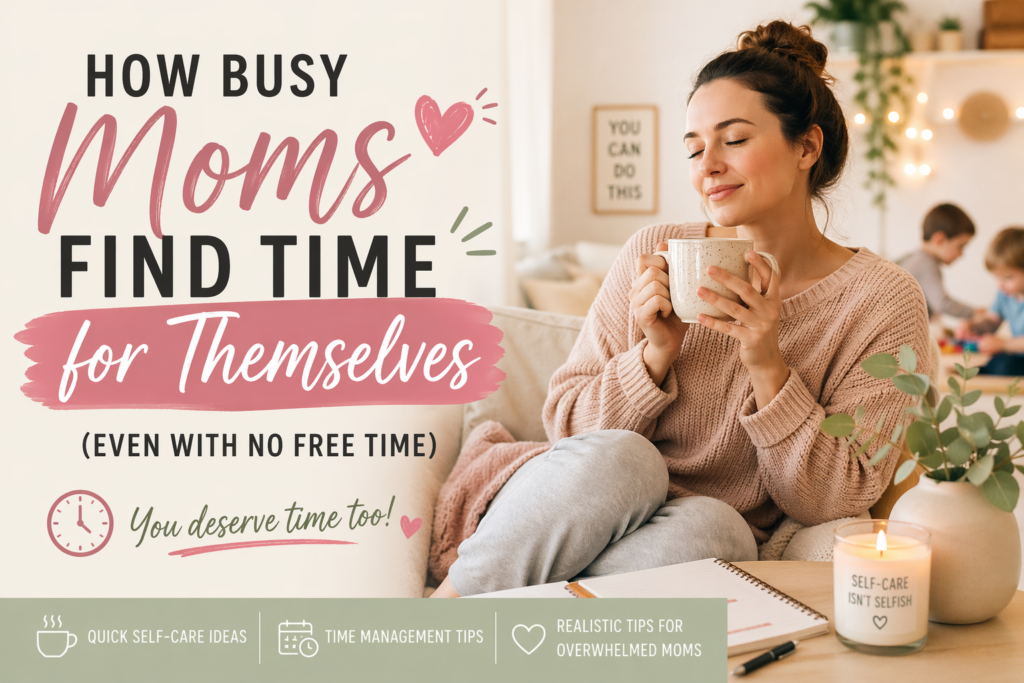
Simple Ways Moms Can Reduce Daily Stress 💛🌿

Motherhood is beautiful—but let’s be honest, it can also be overwhelming. Between endless to-do lists, caring for others, and trying to find time for yourself, stress can quickly build up. The good news? You don’t need a complete life overhaul to feel better. Small, simple changes can make a big difference. ✨

1. Start Your Day Slowly 🌅
Before the chaos begins, take a few quiet minutes for yourself. Sip your coffee, breathe deeply, or simply sit in silence—it helps set a calmer tone for the day.

2. Let Go of Perfection 🧺
Not everything has to be done perfectly. A messy house or an unfinished task doesn’t define you. Give yourself permission to do “good enough.”

3. Take Mini Breaks ⏸️
Even 5 minutes to step away, stretch, or breathe can help reset your mind and reduce overwhelm.

4. Move Your Body 💃
You don’t need a full workout—just a short walk, light stretching, or dancing around the kitchen can boost your mood instantly.

5. Ask for Help 🤝
You don’t have to do everything alone. Whether it’s your partner, family, or friends—lean on your support system.

6. Create Small Moments of Joy ☕
Light a candle, enjoy your favorite snack, or listen to music you love. These little moments can lift your mood more than you think.

7. Limit the Mental Load 🧠
Write things down instead of keeping everything in your head. Lists and planners can help you feel more organized and less overwhelmed.

8. Breathe Through Stress 🌬️
When things feel intense, pause and take a few slow, deep breaths. It’s a simple but powerful way to calm your body.

9. Prioritize Rest 😴
Sleep might not always be perfect, but rest when you can. Even short breaks matter.

10. Be Kind to Yourself 💕
You’re doing a lot—and it’s okay to have hard days. Speak to yourself with the same kindness you give others.

Final Thoughts 💭
You don’t need more hours in the day—you just need a little more support, softness, and self-compassion. Small steps can help you feel calmer, stronger, and more in control. 🌸

Small Lifestyle Changes That Make a Big Impact 🌱✨

Big transformations don’t always come from big actions. Often, it’s the small, consistent changes we make every day that shape our health, mindset, and overall happiness. If you’re looking to improve your life without feeling overwhelmed, start here. 💛

1. Start Your Day with Intention 🌅
Instead of jumping straight into your phone, take a few quiet moments to breathe, stretch, or set a simple intention for the day.

2. Drink More Water 💧
It sounds basic, but staying hydrated can boost your energy, improve focus, and support your overall health.

3. Move Your Body Daily 🚶‍♀️
You don’t need an intense workout. A short walk, light stretching, or dancing in your kitchen all count!

4. Eat Mindfully 🥗
Slow down during meals. Pay attention to flavors, textures, and how your body feels—this helps build a healthier relationship with food.

5. Reduce Screen Time 📵
Take small breaks from your phone or social media. Even 30 minutes offline can help clear your mind.

6. Practice Gratitude 🙏
Take a moment each day to reflect on something you’re thankful for—big or small.

7. Declutter Your Space 🧹
A clean, organized environment can improve focus and reduce stress. Start with just one small area.

8. Prioritize Sleep 😴
Create a simple bedtime routine and aim for consistent sleep. Rest is essential for both body and mind.

9. Speak Kindly to Yourself 💬
Your inner voice matters. Replace negative self-talk with encouragement and compassion.

10. Be Consistent, Not Perfect 🌿
Change doesn’t happen overnight. Focus on showing up for yourself, even in small ways.

Final Thoughts 💭
Small steps lead to big changes. By making simple, intentional shifts in your daily routine, you can create a healthier, more balanced, and fulfilling life—one habit at a time. 🌸

How to Teach Kids Gratitude Early 🌱

Gratitude isn’t something children automatically understand—it’s a skill that can be nurtured over time. Teaching kids to appreciate what they have helps them grow into kinder, more resilient, and happier individuals. The good news? Gratitude can be woven into everyday moments in simple and meaningful ways. 💛

  1. Model Gratitude Daily 👀
    Children learn by watching you. Say “thank you” often, express appreciation for small things, and let them hear you acknowledge kindness from others. Your behavior becomes their blueprint.
  2. Encourage Saying “Thank You” 🙏
    Teach kids to say “thank you” not just out of habit, but with meaning. Help them understand why they’re grateful—whether it’s for a gift, help, or someone’s time.
  3. Create a Gratitude Ritual 🌙
    Make gratitude part of your daily routine. At dinner or bedtime, ask your child to share one thing they’re thankful for. You can do it together as a family.
  4. Teach the Value of Giving 🎁
    Encourage kids to share toys, donate items, or help others in need. Acts of kindness help children see beyond themselves and appreciate what they have.
  5. Limit Overindulgence 🚫🛍️
    Constantly getting new toys or treats can reduce a child’s sense of appreciation. Set healthy boundaries so kids learn to value what they already own.
  6. Turn Challenges into Lessons 💡
    When things don’t go their way, guide kids to find something positive in the situation. This helps build resilience and a grateful mindset even during tough times.
  7. Use Stories and Books 📚
    Stories are powerful tools for teaching life lessons. Choose books that highlight kindness, sharing, and appreciation to spark meaningful conversations.
  8. Praise Effort, Not Just Outcomes 🌟
    Help kids appreciate their own efforts and the efforts of others. This builds respect and awareness of hard work behind everyday things.

Final Thoughts 💭
Gratitude grows with practice. By gently guiding children to notice and appreciate the world around them, you’re giving them a lifelong gift—one that shapes their happiness and relationships for years to come. 🌈

Mindfulness Tips for Everyday Life 🌿

In a world that rarely slows down, mindfulness offers a simple but powerful way to reconnect with the present moment. It’s not about escaping your daily routine—it’s about experiencing it more fully. By weaving small mindful habits into your day, you can reduce stress, improve focus, and cultivate a greater sense of calm. ✨

  1. Start Your Day Without Rush 🌅
    Instead of reaching for your phone the moment you wake up, take a few minutes to breathe deeply and notice how your body feels. A slow, intentional start sets the tone for the rest of your day.
  2. Practice Mindful Breathing 🌬️
    Your breath is always with you, making it a perfect anchor for mindfulness. Try this: inhale slowly for four seconds, hold briefly, and exhale for four seconds. Even one minute of conscious breathing can reset your mind.
  3. Be Present During Routine Activities 🚿☕
    Whether you’re brushing your teeth, showering, or drinking coffee, focus fully on the experience. Notice the sensations, smells, and sounds instead of letting your mind wander.
  4. Limit Multitasking 📵
    Doing multiple things at once can increase stress and reduce productivity. Try focusing on one task at a time—you’ll often do it better and feel more relaxed.
  5. Take Mindful Breaks 🌼
    Step outside, stretch, or simply pause for a few moments during your day. Even short breaks can help you reset and recharge.
  6. Observe Your Thoughts Without Judgment 🧠
    Thoughts come and go—mindfulness teaches you to notice them without getting caught up in them. Imagine them like clouds passing through the sky. ☁️
  7. Practice Gratitude Daily 🙏
    Take a moment each day to reflect on what you’re grateful for. It can be something small, like a warm drink or a kind word.
  8. Unplug Before Bed 🌙
    Give your mind time to wind down by reducing screen time before sleep. Try reading, journaling, or simply sitting quietly.

Final Thoughts 💭
Mindfulness isn’t about perfection—it’s about presence. By practicing these small habits daily, you can bring more peace, clarity, and balance into your life.

✨ The Little Things That Make Mom Life Feel Good Again ✨

Motherhood is full of beautiful moments—but let’s be honest, it’s also full of long days, mental checklists, and cups of coffee that never seem to stay warm.

Some days feel magical. Others feel overwhelming. Most fall somewhere in between.

And while we often search for big solutions—better routines, more productivity, a perfect balance—the truth is, it’s usually the small things that help us feel like ourselves again.


☕ A Quiet Moment to Yourself

There’s something powerful about a simple, quiet moment.

Maybe it’s your morning coffee before the house fully wakes up. Maybe it’s sitting down for a minute without being needed. These small pauses don’t last long—but they matter more than we think.

They give you a chance to breathe, reset, and gather your energy for the rest of the day.


🌿 Stepping Outside for Fresh Air

When everything starts to feel overwhelming, a change of environment can make all the difference.

Stepping outside—even for just a few minutes—can help clear your mind. Whether it’s a quick walk, watching your kids play, or simply standing in the sunlight, fresh air has a way of grounding you.

It’s a gentle reminder to slow down and be present.


📱 Staying Connected

Motherhood can feel isolating at times, especially during busy or challenging seasons.

That’s why connection matters. A quick message from a friend, a shared laugh, or even a simple “I understand” can instantly lift your mood.

You’re not meant to do this alone—and sometimes, that reminder is all you need.


🧺 Celebrating Small Wins

It’s easy to focus on everything that didn’t get done.

But what if you shifted your focus to what did?

Finishing a load of laundry, tidying up a small space, or completing one task on your list may seem minor—but those small wins add up. They create a sense of progress and help you feel more in control of your day.


💕 Letting Go of Perfection

Perfection is one of the biggest sources of pressure in motherhood.

The house doesn’t have to look perfect. Meals don’t have to be elaborate. You don’t need to have everything figured out.

Your children don’t need perfection—they need love, attention, and a mom who is doing her best. And that is already enough.


✨ Making Time for Yourself

Somewhere between taking care of everyone else, it’s easy to forget about yourself.

But even a few minutes of doing something you enjoy can make a difference. Reading a book, taking a longer shower, or listening to your favorite music—these small acts of self-care help you recharge.

Taking care of yourself isn’t selfish. It’s necessary.


🌙 Ending the Day with Grace

At the end of the day, it’s important to give yourself grace.

Not every day will go as planned. Some days will feel messy and exhausting. But that doesn’t mean you didn’t do enough.

You showed up. You cared. You tried.

And that matters more than anything else.


💛 Final Thoughts

Motherhood isn’t defined by perfect days or flawless routines. It’s built on small, meaningful moments that often go unnoticed.

So if today felt ordinary—or even overwhelming—take a moment to reflect.

There’s more beauty in your day than you realize.

And tomorrow is always a new chance to begin again.

🌼 Spring Cleaning With Kids: Make It Fun (and Actually Get Things Done)

Spring cleaning doesn’t have to mean doing everything yourself while the kids mysteriously disappear into another room. With the right approach, it can become a fun family activity that teaches responsibility, builds habits, and actually gets your home cleaner.

Here’s how to turn spring cleaning with kids into something simple, structured, and surprisingly enjoyable.


🌟 Why Involve Kids in Spring Cleaning?

Kids don’t naturally see cleaning as “fun,” but they do respond well to games, structure, and shared activities. Involving them helps them:

  • Learn responsibility and independence
  • Build organization habits early
  • Understand teamwork
  • Feel proud of their space
  • Reduce your workload (a big bonus)

The key is not expecting perfection—just participation.


🎮 Turn Cleaning Into a Game

If it feels like a chore, kids will resist. If it feels like a game, they’ll engage.

Try ideas like:

  • ⏱️ Timer challenges: “Let’s see how much we can pick up in 10 minutes!”
  • 🧺 Color sorting: toys, clothes, or books by color
  • 🏁 Race the clock: beat yesterday’s cleanup time
  • ⭐ Sticker rewards: earn stars for completed tasks
  • 🎯 Treasure hunt cleanup: find hidden items while tidying

Even simple tweaks can make a big difference in motivation.


🧹 Assign Age-Appropriate Tasks

Not every child can do everything—but everyone can do something.

👶 Younger Kids (3–6 years)

  • Put toys in bins
  • Match socks
  • Wipe low surfaces with a cloth
  • Help sort laundry by color

🧒 School Age (7–10 years)

  • Make their bed
  • Dust furniture
  • Vacuum small areas
  • Organize books and toys

🧑 Older Kids (11+ years)

  • Clean their room independently
  • Help in kitchen cleanup
  • Take out trash or recycling
  • Assist with organizing shared spaces

Keep instructions simple and clear—step-by-step works best.


🎶 Add Music and Energy

Music instantly changes the mood. Create a “spring cleaning playlist” and let kids pick some songs.

  • Upbeat music keeps energy high
  • Dance breaks make it fun instead of tiring
  • Singing while cleaning makes time go faster

It may not be silent or perfect—but it will be more enjoyable.


🏆 Use a Reward System (Simple, Not Overcomplicated)

Kids respond well to visible progress and rewards.

Ideas include:

  • Sticker charts
  • Small treats (extra playtime, favorite snack)
  • Choosing a family movie night film
  • Points toward a bigger reward

The goal is encouragement, not bribery.


🧺 Make Decluttering a Decision Game

Instead of “throw this away,” try:

  • “Keep, donate, or store?” bins
  • “Do you still play with this?” questions
  • “Would someone else enjoy this more?”

This teaches decision-making while reducing clutter.


🏡 Focus on One Zone at a Time

Trying to clean the whole house at once leads to frustration. Instead:

  • One room per day
  • Or one category (toys, clothes, books)
  • Short, focused sessions (20–30 minutes max)

Kids stay more engaged when tasks feel manageable.


😂 Expect Imperfection (and That’s Okay)

Kids will not clean like adults. Things may be:

  • Slightly messy
  • Misplaced
  • Not “perfectly organized”

That’s normal. The goal is involvement, not perfection.


🌸 Make It a Family Tradition

When spring cleaning becomes a yearly event:

  • Kids know what to expect
  • It feels less like a punishment
  • It becomes part of family routine
  • Everyone contributes over time

You can even end the day with a small celebration—pizza night, movie night, or a walk outside.


🌿 Final Thoughts

Spring cleaning with kids works best when it feels light, structured, and fun. With games, music, simple tasks, and realistic expectations, you can turn a big chore into a meaningful family activity.

And the bonus? A cleaner home and kids who are slowly learning how to take care of their space.

🌷 Spring Cleaning Checklist (Printable Ideas)

Spring is the perfect time to reset your home, clear out clutter, and refresh your space. Instead of feeling overwhelmed, a simple checklist can turn spring cleaning into a manageable (and even satisfying) process.

Below is a practical, room-by-room spring cleaning checklist you can print or copy for your own use.


🏡 Whole-House Reset

Start with tasks that affect the entire home:

  • Open windows and let fresh air in
  • Dust ceiling corners, vents, and baseboards
  • Wash windows and mirrors
  • Wipe light switches and door handles
  • Vacuum or mop all floors
  • Declutter surfaces (tables, shelves, counters)
  • Replace air filters if needed
  • Donate or discard unused items

🍽️ Kitchen Deep Clean

The kitchen often needs the most attention:

  • Empty and wipe down all cabinets
  • Clean refrigerator (throw out expired food)
  • Scrub oven and stovetop
  • Clean microwave inside and out
  • Sanitize countertops
  • Wipe backsplash and cabinet doors
  • Organize pantry and discard old items
  • Clean sink and faucet

🛁 Bathroom Refresh

Make your bathroom feel like new:

  • Scrub toilet, shower, and bathtub
  • Clean tiles and grout
  • Wash shower curtain or replace liner
  • Organize cabinets and drawers
  • Discard expired products (cosmetics, medicines)
  • Clean mirrors and fixtures
  • Replace towels and bath mats if needed

🛏️ Bedroom Reset

Create a calm, restful space:

  • Wash all bedding (sheets, blankets, pillows if washable)
  • Rotate or vacuum mattress
  • Declutter nightstands and dressers
  • Organize closets (donate unworn clothes)
  • Dust furniture and decor
  • Vacuum under the bed

🛋️ Living Room & Common Areas

Focus on comfort and order:

  • Dust furniture, shelves, and electronics
  • Clean under cushions and sofas
  • Wash throw blankets and pillow covers
  • Organize books, magazines, and remotes
  • Clean TV screens and devices
  • Refresh décor or rearrange furniture for a new feel

🧹 Entryway & Storage Spaces

Often forgotten but important:

  • Declutter shoes, coats, and bags
  • Wipe down doors and handles
  • Organize storage closets or cabinets
  • Sweep or vacuum entry floors
  • Add a seasonal mat or décor update

🧺 Laundry & Utility Areas

Don’t skip the functional spaces:

  • Clean washing machine and dryer
  • Wipe laundry surfaces and shelves
  • Sort and declutter detergents/supplies
  • Sweep floors and corners
  • Check for leaks or maintenance needs

📝 Printable Spring Cleaning Tip

To make this checklist even more useful:

  • Print one page per room
  • Check off tasks as you go
  • Assign days (e.g., “Kitchen Day,” “Bedroom Day”)
  • Highlight priority tasks first
  • Add your own custom items

🌼 Final Thought

Spring cleaning doesn’t need to happen in one exhausting day. Break it into sections, follow a checklist, and you’ll steadily transform your space into something fresher, lighter, and more organized.